GAST
Open mobile menu

Strategy

As forward-thinkers, we analyze societal trends and the specific potential of your construction project. Based on this analysis, we develop well-founded needs assessments, usage concepts, and strategies for minimizing construction during Service Phase 0.

Working together with local governments, institutions, and private developers, we adopt a fresh perspective to develop usage concepts that meet the actual needs of the location and its users. This results in high-quality projects that save on costs, planning time, and resources.

GAST combines social science insights, conceptual creativity, and an understanding of construction engineering to develop concepts that are realistic to implement, offer long-term value, and are clearly user-oriented.
Municipalities and public institutions

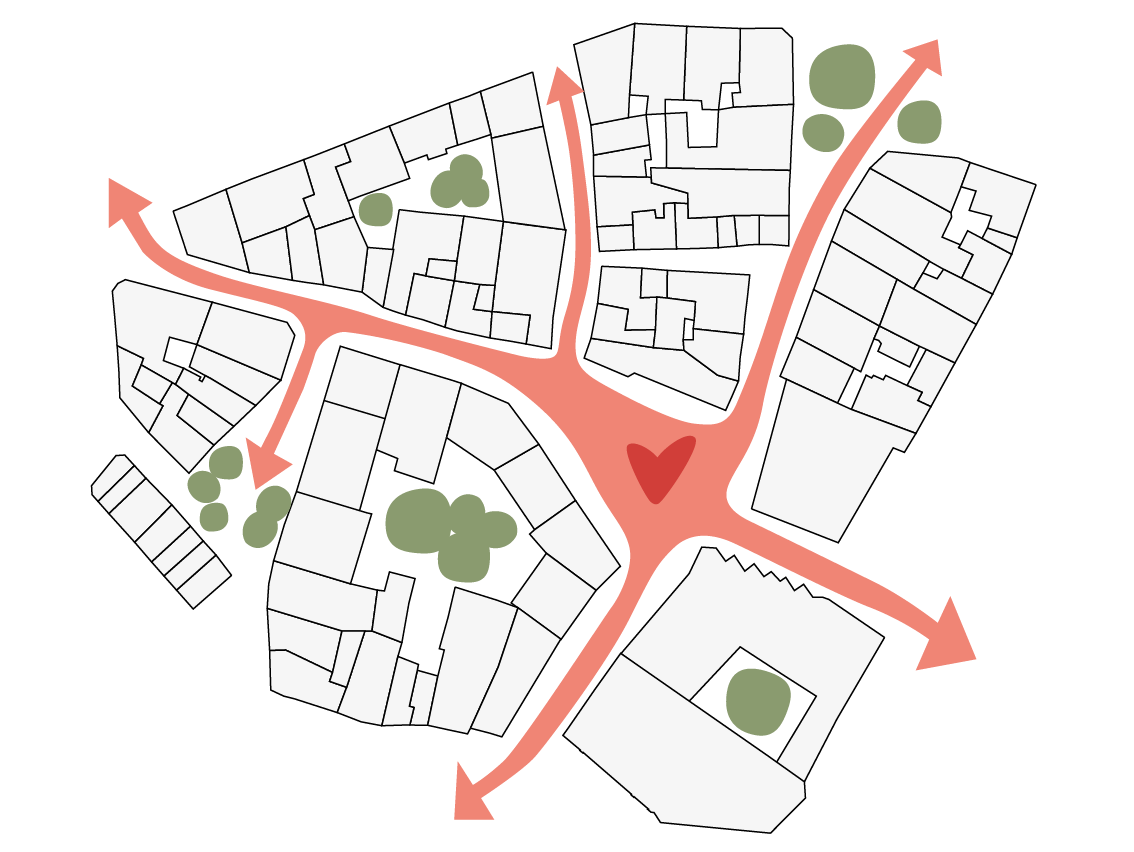
The future of our cities and towns faces a wide range of challenges. The negative consequences of past centuries are becoming apparent today, for example in the form of vacant properties in city centers, shrinking regions, or an often unclear approach to addressing climate and demographic change. At the same time, pressure is growing to continue developing these places without compromising quality of life.

To address these developments, sustainable and effective strategies are needed. Communities must recognize their existing potential, develop it in a targeted manner, and regain their appeal to diverse population groups. Major societal trends are intensifying this need for action and call for solutions that work economically, socially, and spatially in the long term.

Real estate developers and private builders

Die Entwicklung eines Standorts – ob Bestand oder Neubau – beginnt mit dem Verständnis seiner Potenziale. Welche Nutzungen sind langfristig tragfähig? Wie können Gebäude und Umfeld voneinander profitieren?

Erfolgreiche Projekte entstehen dort, wo Architektur und Quartier zusammengedacht werden. Ein Gebäude prägt sein Umfeld, sowie gleichzeitig das Umfeld die Qualität über die Attraktivität und den wirtschaftlichen Erfolg eines Gebäudes entscheidet.

Mit der richtigen Strategie entstehen langfristig nachgefragte Nutzungen, die Identität stiften, den Standort stärken und nachhaltige wirtschaftliche Werte schaffen.

Businesses, institutions and cooperatives

Requirements for spaces and buildings are undergoing fundamental changes. New ways of working, learning, and living call for different spatial solutions than in the past. At the heart of this is the question of how companies, public institutions, or cooperatives are organized. Architecture translates organizational structures into physical spaces, yet these structures are often not fundamentally questioned before a construction project begins.

This is exactly where we come in. Through user needs analysis and building reduction planning, we develop viable concepts that translate societal changes into sustainable spatial strategies. It often becomes clear that better organization does not require more space, but rather smarter use of it.

Bereit für den Erfolg

ihres Vorhabens?

Then contact us and get to know us during a no-obligation initial consultation.

Book an appointment

Contact →

GAST

Strategy

As forward-thinkers, we analyze societal trends and the specific potential of your construction project. Based on this analysis, we develop well-founded needs assessments, usage concepts, and strategies for minimizing construction during Service Phase 0.

Working together with local governments, institutions, and private developers, we adopt a fresh perspective to develop usage concepts that meet the actual needs of the location and its users. This results in high-quality projects that save on costs, planning time, and resources.

GAST combines social science insights, conceptual creativity, and an understanding of construction engineering to develop concepts that are realistic to implement, offer long-term value, and are clearly user-oriented.
Municipalities and public institutions

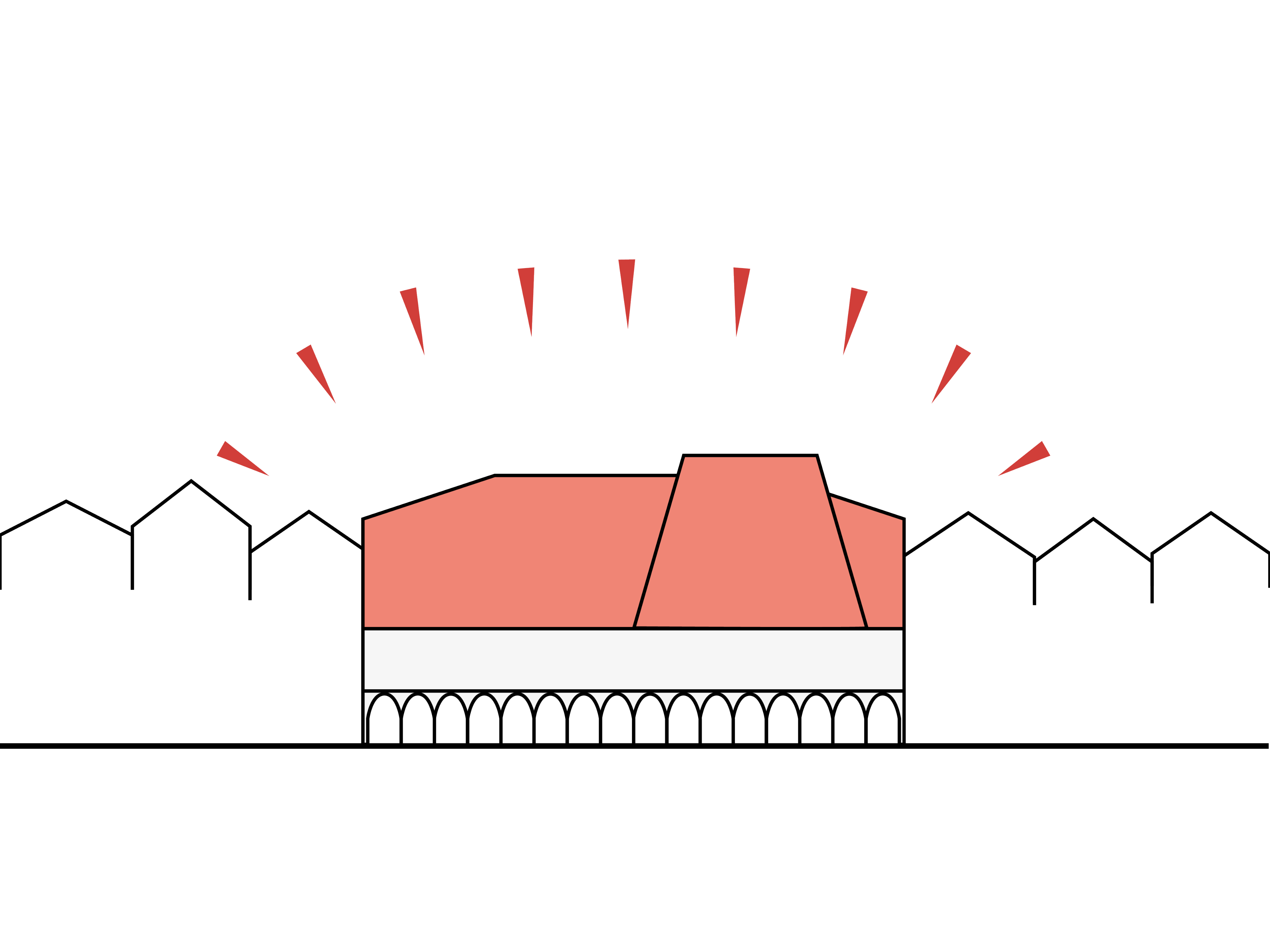
The future of our cities and towns faces a wide range of challenges. The negative consequences of past centuries are becoming apparent today, for example in the form of vacant properties in city centers, shrinking regions, or an often unclear approach to addressing climate and demographic change. At the same time, pressure is growing to continue developing these places without compromising quality of life.

To address these developments, sustainable and effective strategies are needed. Communities must recognize their existing potential, develop it in a targeted manner, and regain their appeal to diverse population groups. Major societal trends are intensifying this need for action and call for solutions that work economically, socially, and spatially in the long term.

Real estate developers and private builders

Die Entwicklung eines Standorts – ob Bestand oder Neubau – beginnt mit dem Verständnis seiner Potenziale. Welche Nutzungen sind langfristig tragfähig? Wie können Gebäude und Umfeld voneinander profitieren?

Erfolgreiche Projekte entstehen dort, wo Architektur und Quartier zusammengedacht werden. Ein Gebäude prägt sein Umfeld, sowie gleichzeitig das Umfeld die Qualität über die Attraktivität und den wirtschaftlichen Erfolg eines Gebäudes entscheidet.

Mit der richtigen Strategie entstehen langfristig nachgefragte Nutzungen, die Identität stiften, den Standort stärken und nachhaltige wirtschaftliche Werte schaffen.

Businesses, institutions and cooperatives

Requirements for spaces and buildings are undergoing fundamental changes. New ways of working, learning, and living call for different spatial solutions than in the past. At the heart of this is the question of how companies, public institutions, or cooperatives are organized. Architecture translates organizational structures into physical spaces, yet these structures are often not fundamentally questioned before a construction project begins.

This is exactly where we come in. Through user needs analysis and building reduction planning, we develop viable concepts that translate societal changes into sustainable spatial strategies. It often becomes clear that better organization does not require more space, but rather smarter use of it.

Ready for your project to succeed?

Then contact us and get to know us during a no-obligation initial consultation.

Book an appointment

Contact →

GAST

Strategy

As forward-thinkers, we analyze societal trends and the specific potential of your construction project. Based on this analysis, we develop well-founded needs assessments, usage concepts, and strategies for minimizing construction during Service Phase 0.

Working together with local governments, institutions, and private developers, we adopt a fresh perspective to develop usage concepts that meet the actual needs of the location and its users. This results in high-quality projects that save on costs, planning time, and resources.

GAST combines social science insights, conceptual creativity, and an understanding of construction engineering to develop concepts that are realistic to implement, offer long-term value, and are clearly user-oriented.
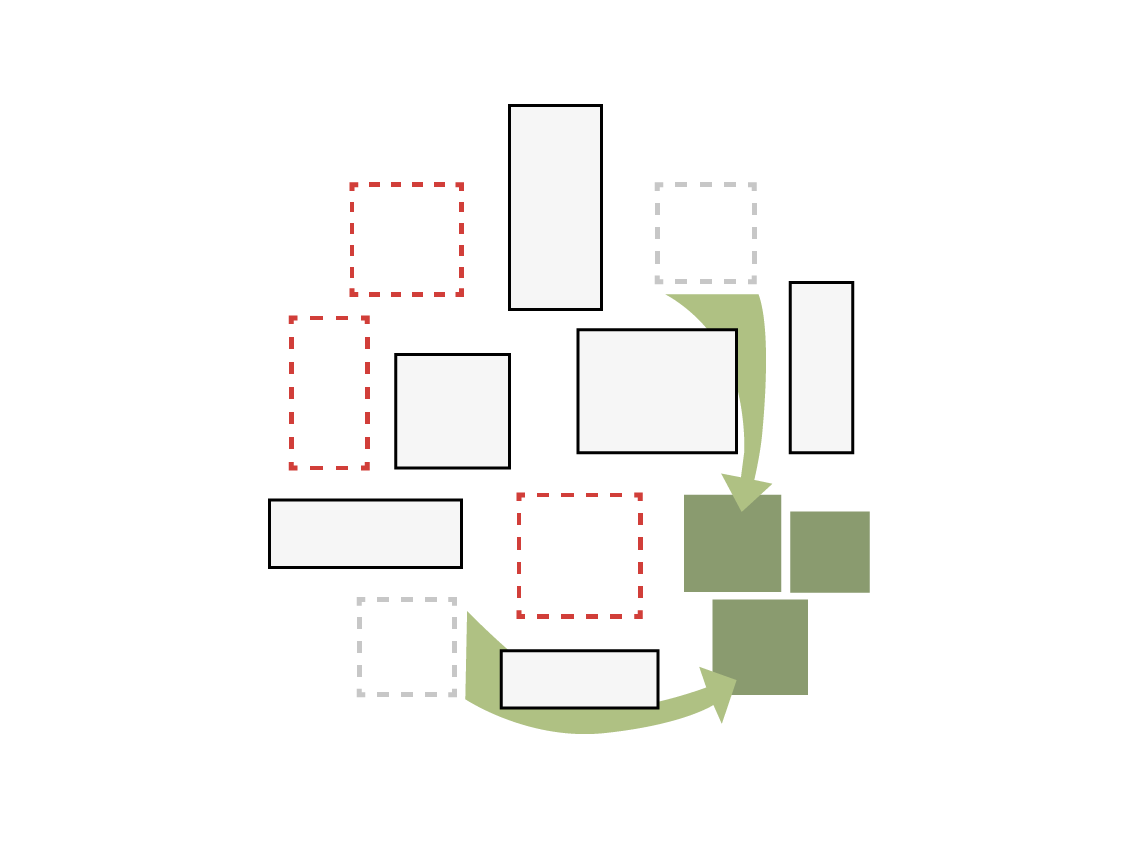
Municipalities and public institutions

The future of our cities and towns faces a wide range of challenges. The negative consequences of past centuries are becoming apparent today, for example in the form of vacant properties in city centers, shrinking regions, or an often unclear approach to addressing climate and demographic change. At the same time, pressure is growing to continue developing these places without compromising quality of life.

To address these developments, sustainable and effective strategies are needed. Communities must recognize their existing potential, develop it in a targeted manner, and regain their appeal to diverse population groups. Major societal trends are intensifying this need for action and call for solutions that work economically, socially, and spatially in the long term.

Real estate developers and private builders

The development of a site—whether an existing one or a new construction—begins with an understanding of its potential. Which uses are sustainable in the long term? How can buildings and their surroundings benefit from one another?

Successful projects emerge when architecture and the neighborhood are conceived as a unified whole. A building shapes its surroundings, just as those surroundings, in turn, enhance the building’s appeal and economic success. This creates a mutually beneficial relationship. With the right strategy, uses that remain in demand over the long term emerge—uses that foster a sense of identity, strengthen the site, and create sustainable economic value.

Businesses, institutions and cooperatives

Requirements for spaces and buildings are undergoing fundamental changes. New ways of working, learning, and living call for different spatial solutions than in the past. At the heart of this is the question of how companies, public institutions, or cooperatives are organized. Architecture translates organizational structures into physical spaces, yet these structures are often not fundamentally questioned before a construction project begins.

This is exactly where we come in. Through user needs analysis and building reduction planning, we develop viable concepts that translate societal changes into sustainable spatial strategies. It often becomes clear that better organization does not require more space, but rather smarter use of it.

Ready for your project to succeed?

Then contact us and get to know us during a no-obligation initial consultation.

Book an appointment

Contact →