
GAST
Open mobile menu

Planning

As spatial experts, we understand how spaces function, how people use them, and what kinds of atmospheres they need. Our goal is to translate the requirements of a construction project into precise and clearly structured spatial planning.

In doing so, new buildings are not created as standard solutions, but rather where they provide the best response to functional, urban planning, or usage-related requirements. A decisive factor is an integrated approach to space allocation, cost-effectiveness, design, and sustainability in order to develop future-proof and robust structures that remain flexible in their use over the long term.

As a general planner, we support construction projects nationwide from preliminary planning through to completion. Design quality, structural expertise, and economic thinking form the foundation of our approach. Through professional collaboration with all stakeholders, we ensure that functional, design, and economic goals are harmonized and consistently implemented.
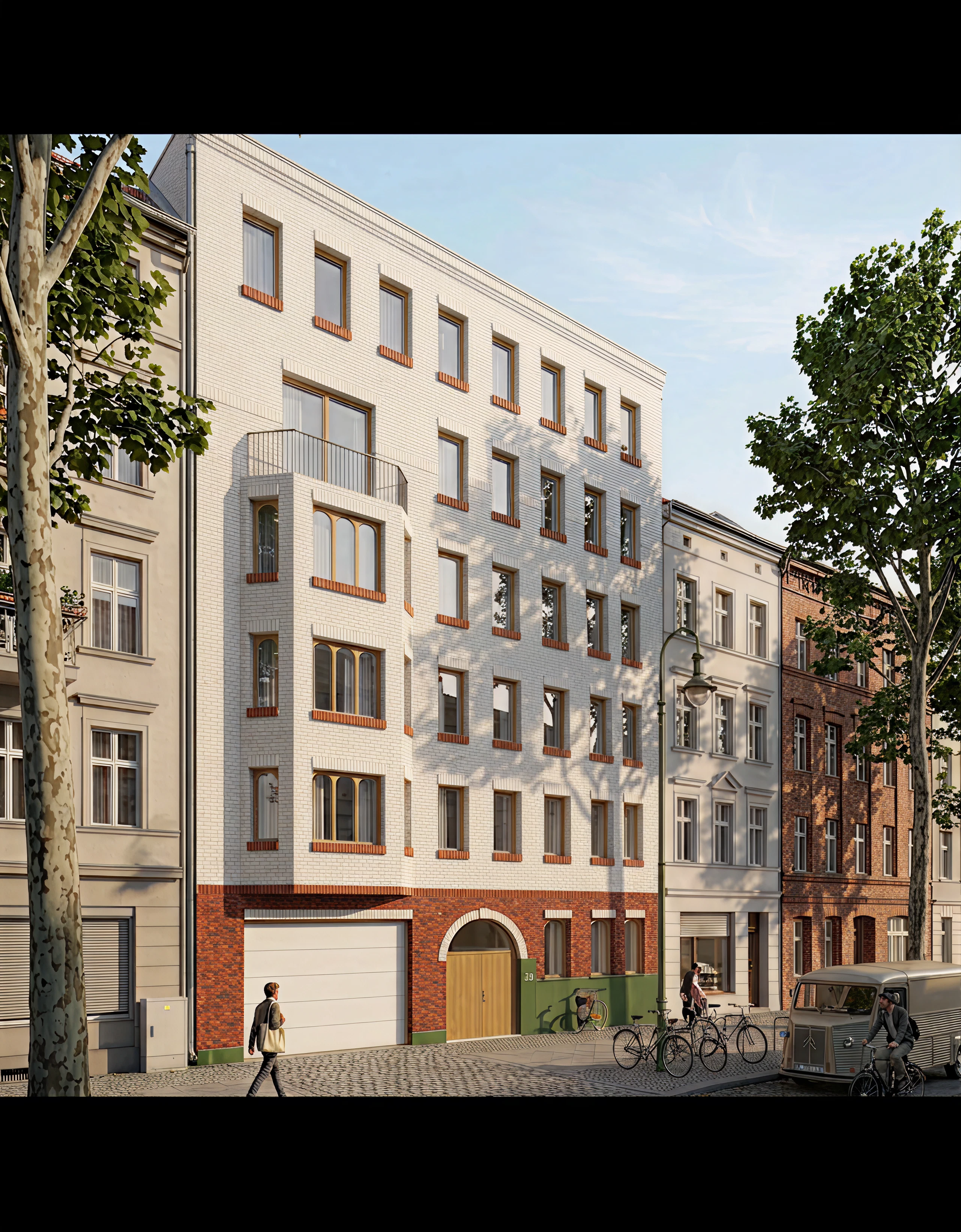
what kind of architecture we create

We think of architecture as extending beyond the physical building. Design and construction are important, but so is understanding real-world conditions. This means taking responsibility for the big picture. GAST views architecture as a spatial engagement with today’s society.

Society produces architecture—and architecture produces society. Spaces influence behavior, orientation, stress, a sense of belonging, and the local economy. Nevertheless, architecture is still too often understood as an image or an object. We view architecture as a system: an interplay of space, use, atmosphere, materials, economic efficiency, climate, and social conditions. Only when these interrelationships are understood can architecture emerge that functions effectively over the long term.

We approach every project with curiosity and a commitment to identifying the true potential behind the brief. In doing so, we seek clear, precise, and robust solutions developed from the context of location, use, and economic efficiency.

Architecture influences climate, shapes neighborhoods, creates identities, has a political impact, and promotes economic productivity. That is why we view our work not only as a creative endeavor but also as a strategic one. Good architecture emerges where design quality, social responsibility, and economic reality are considered together.

How we do architecture

The key factor in a construction project: planning.

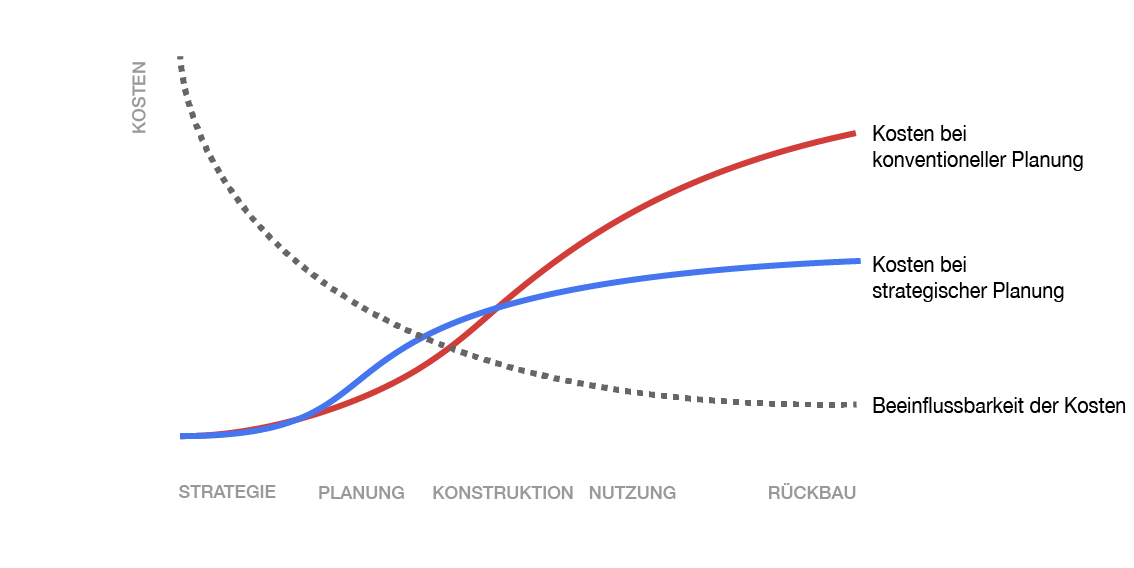
The planning phase accounts for about 2% of a property’s total life-cycle costs, yet it is precisely this comparatively small investment that has a decisive impact on the remaining 98%. Careful and forward-looking planning not only affects cost control but also influences quality, efficiency, adherence to schedules, and the long-term profitability of the entire project. Good planning is therefore far more than just a cost factor; it is the decisive lever for the sustainable success and profitability of construction projects.

Smart Planning for Sustainable Project Success.

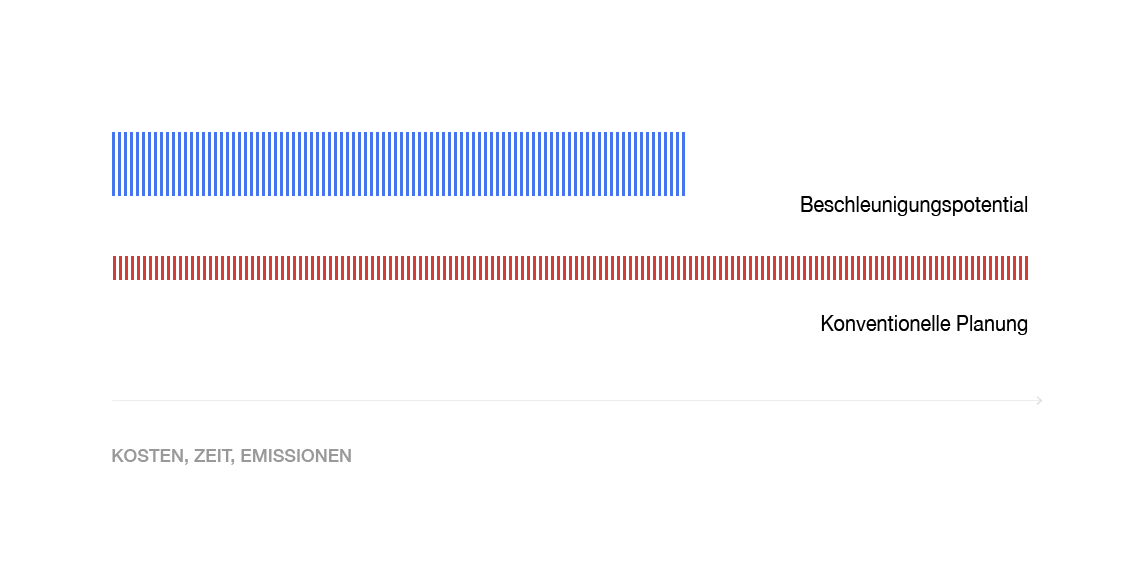
Planning and construction are more complex today than ever before. Through the strategic integration of BIM and the use of our modern digital tools, we can execute projects more efficiently, precisely, and transparently than with traditional methods. This not only ensures that we stay within budget, maintain quality, and meet deadlines, but also increases planning accuracy, improves team communication, and creates traceable documentation across all project phases.

Bereit für den Erfolg

ihres Vorhabens?

Then contact us and get to know us during a no-obligation initial consultation.

Book an appointment

Contact →

GAST

Planning

As spatial experts, we understand how spaces function, how people use them, and what kinds of atmospheres they need. Our goal is to translate the requirements of a construction project into precise and clearly structured spatial planning.

In doing so, new buildings are not created as standard solutions, but rather where they provide the best response to functional, urban planning, or usage-related requirements. A decisive factor is an integrated approach to space allocation, cost-effectiveness, design, and sustainability in order to develop future-proof and robust structures that remain flexible in their use over the long term.

As a general planner, we support construction projects nationwide from preliminary planning through to completion. Design quality, structural expertise, and economic thinking form the foundation of our approach. Through professional collaboration with all stakeholders, we ensure that functional, design, and economic goals are harmonized and consistently implemented.
what kind of architecture we create

We think of architecture as extending beyond the physical building. Design and construction are important, but so is understanding real-world conditions. This means taking responsibility for the big picture. GAST views architecture as a spatial engagement with today’s society.

Society produces architecture—and architecture produces society. Spaces influence behavior, orientation, stress, a sense of belonging, and the local economy. Nevertheless, architecture is still too often understood as an image or an object. We view architecture as a system: an interplay of space, use, atmosphere, materials, economic efficiency, climate, and social conditions. Only when these interrelationships are understood can architecture emerge that functions effectively over the long term.

We approach every project with curiosity and a commitment to identifying the true potential behind the brief. In doing so, we seek clear, precise, and robust solutions developed from the context of location, use, and economic efficiency.

Architecture influences climate, shapes neighborhoods, creates identities, has a political impact, and promotes economic productivity. That is why we view our work not only as a creative endeavor but also as a strategic one. Good architecture emerges where design quality, social responsibility, and economic reality are considered together.

How we do architecture

The key factor in a construction project: planning.

The planning phase accounts for about 2% of a property’s total life-cycle costs, yet it is precisely this comparatively small investment that has a decisive impact on the remaining 98%. Careful and forward-looking planning not only affects cost control but also influences quality, efficiency, adherence to schedules, and the long-term profitability of the entire project. Good planning is therefore far more than just a cost factor; it is the decisive lever for the sustainable success and profitability of construction projects.

Smart Planning for Sustainable Project Success.

Planning and construction are more complex today than ever before. Through the strategic integration of BIM and the use of our modern digital tools, we can execute projects more efficiently, precisely, and transparently than with traditional methods. This not only ensures that we stay within budget, maintain quality, and meet deadlines, but also increases planning accuracy, improves team communication, and creates traceable documentation across all project phases.

Ready for your project to succeed?

Then contact us and get to know us during a no-obligation initial consultation.

Book an appointment

Contact →

GAST

Planning

As spatial experts, we understand how spaces function, how people use them, and what kinds of atmospheres they need. Our goal is to translate the requirements of a construction project into precise and clearly structured spatial planning.

In doing so, new buildings are not created as standard solutions, but rather where they provide the best response to functional, urban planning, or usage-related requirements. A decisive factor is an integrated approach to space allocation, cost-effectiveness, design, and sustainability in order to develop future-proof and robust structures that remain flexible in their use over the long term.

As a general planner, we support construction projects nationwide from preliminary planning through to completion. Design quality, structural expertise, and economic thinking form the foundation of our approach. Through professional collaboration with all stakeholders, we ensure that functional, design, and economic goals are harmonized and consistently implemented.

what kind of architecture we create

We think of architecture as extending beyond the physical building. Design and construction are important, but so is understanding real-world conditions. This means taking responsibility for the big picture. GAST views architecture as a spatial engagement with today’s society.

Society produces architecture—and architecture produces society. Spaces influence behavior, orientation, stress, a sense of belonging, and the local economy. Nevertheless, architecture is still too often understood as an image or an object. We view architecture as a system: an interplay of space, use, atmosphere, materials, economic efficiency, climate, and social conditions. Only when these interrelationships are understood can architecture emerge that functions effectively over the long term.

We approach every project with curiosity and a commitment to identifying the true potential behind the brief. In doing so, we seek clear, precise, and robust solutions developed from the context of location, use, and economic efficiency.

Architecture influences climate, shapes neighborhoods, creates identities, has a political impact, and promotes economic productivity. That is why we view our work not only as a creative endeavor but also as a strategic one. Good architecture emerges where design quality, social responsibility, and economic reality are considered together.

How we do architecture

The key factor in a construction project: planning.

The planning phase accounts for about 2% of a property’s total life-cycle costs, yet it is precisely this comparatively small investment that has a decisive impact on the remaining 98%. Careful and forward-looking planning not only affects cost control but also influences quality, efficiency, adherence to schedules, and the long-term profitability of the entire project. Good planning is therefore far more than just a cost factor; it is the decisive lever for the sustainable success and profitability of construction projects.

Smart Planning for Sustainable Project Success.

Planning and construction are more complex today than ever before. Through the strategic integration of BIM and the use of our modern digital tools, we can execute projects more efficiently, precisely, and transparently than with traditional methods. This not only ensures that we stay within budget, maintain quality, and meet deadlines, but also increases planning accuracy, improves team communication, and creates traceable documentation across all project phases.

Ready for your project to succeed?

Then contact us and get to know us during a no-obligation initial consultation.

Book an appointment

Contact →